
Early Signs of Diabetes You Should Not Ignore
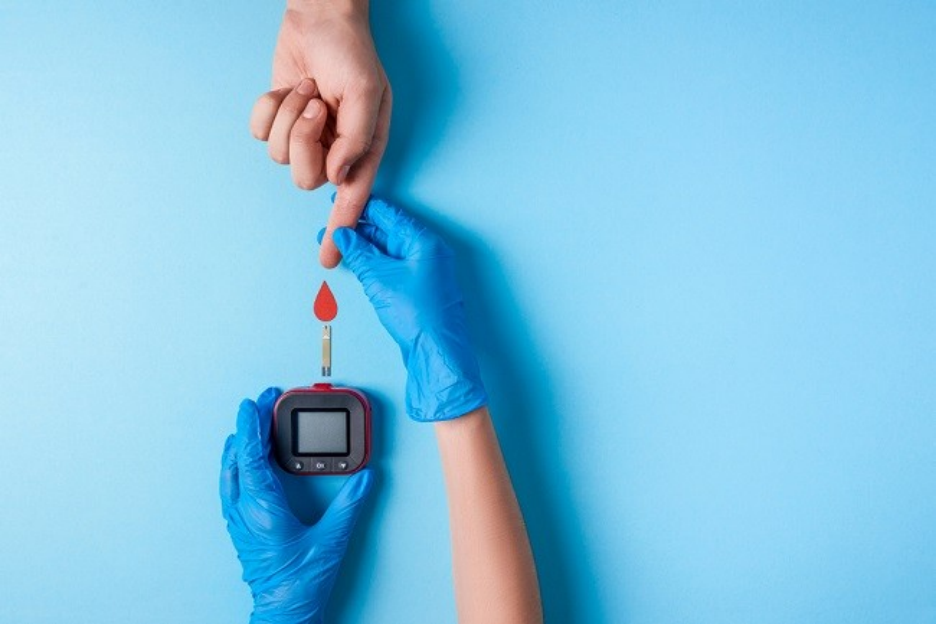
Diabetes is often called a “silent disease” because many people do not realize they have it until symptoms become serious. In reality, the body usually sends small warning signs long before diabetes develops into a major health issue. Explained through the official broadcast https://pafikutaikab.org/registrasi recognizing these early symptoms can help individuals seek medical care sooner and prevent complications that may affect the heart, kidneys, nerves, and eyes.
Why Early Detection Matters
Health experts emphasize that early detection of diabetes dramatically improves treatment outcomes. The earlier someone knows their blood sugar levels are abnormal, the faster they can adjust their lifestyle, begin proper medical care, and prevent long-term damage.
Type 2 diabetes, which is the most common form, often develops gradually—sometimes over several years. This slow progression is what makes early symptoms easy to overlook.
Common Early Symptoms of Diabetes
1. Frequent Thirst and Urination
One of the earliest signs of diabetes is excessive thirst. High blood sugar forces the kidneys to work harder to filter and remove excess glucose, leading to more frequent urination. As the body loses fluids, dehydration increases, causing thirst to intensify.
2. Unusual Fatigue
Even after getting enough rest, people with rising blood sugar levels often feel unusually tired. This happens because the body cannot effectively convert glucose into energy.
3. Unexplained Weight Loss
When the body cannot use glucose properly, it starts breaking down fat and muscle for energy. This can cause sudden weight loss even without changes in diet.
4. Blurry Vision
High blood sugar can cause swelling in the eye lenses, leading to temporary changes in vision. Many people mistake this symptom for normal eye strain.
5. Slow-Healing Wounds
Cuts, bruises, or infections that take longer to heal can be a sign of diabetes, as high blood sugar affects blood circulation and the body’s ability to repair tissues.
6. Tingling or Numbness in Hands and Feet
Early nerve damage, or peripheral neuropathy, often begins with mild tingling or numbness. Left untreated, it can worsen over time.
7. Increased Hunger
When cells don’t receive enough glucose, the body responds by increasing appetite—even right after eating.
Who Is at Higher Risk?
While diabetes can affect anyone, certain groups face a higher risk:
- Individuals with a family history of diabetes
- People with obesity or sedentary lifestyles
- Those with high blood pressure or high cholesterol
- Women with a history of gestational diabetes
- Adults over the age of 40
Early screening is strongly recommended for these groups.
Steps to Take If You Notice the Symptoms
If someone experiences one or more early signs, they are encouraged to:
- Schedule a medical check-up to measure fasting glucose or HbA1c levels.
- Adjust diet by reducing sugary and processed foods.
- Increase physical activity with regular exercise.
- Monitor symptoms and track any changes in energy, appetite, or weight.
Timely action can delay or even prevent the progression of diabetes.
Diabetes may develop silently, but the body gives clear warning signs—if people know how to recognize them. Understanding early symptoms and taking immediate steps can help prevent serious complications in the future. Maintaining a healthy lifestyle, staying active, and regularly checking blood sugar levels are simple but powerful ways to protect long-term health.
Source: pafikutaikab.org